







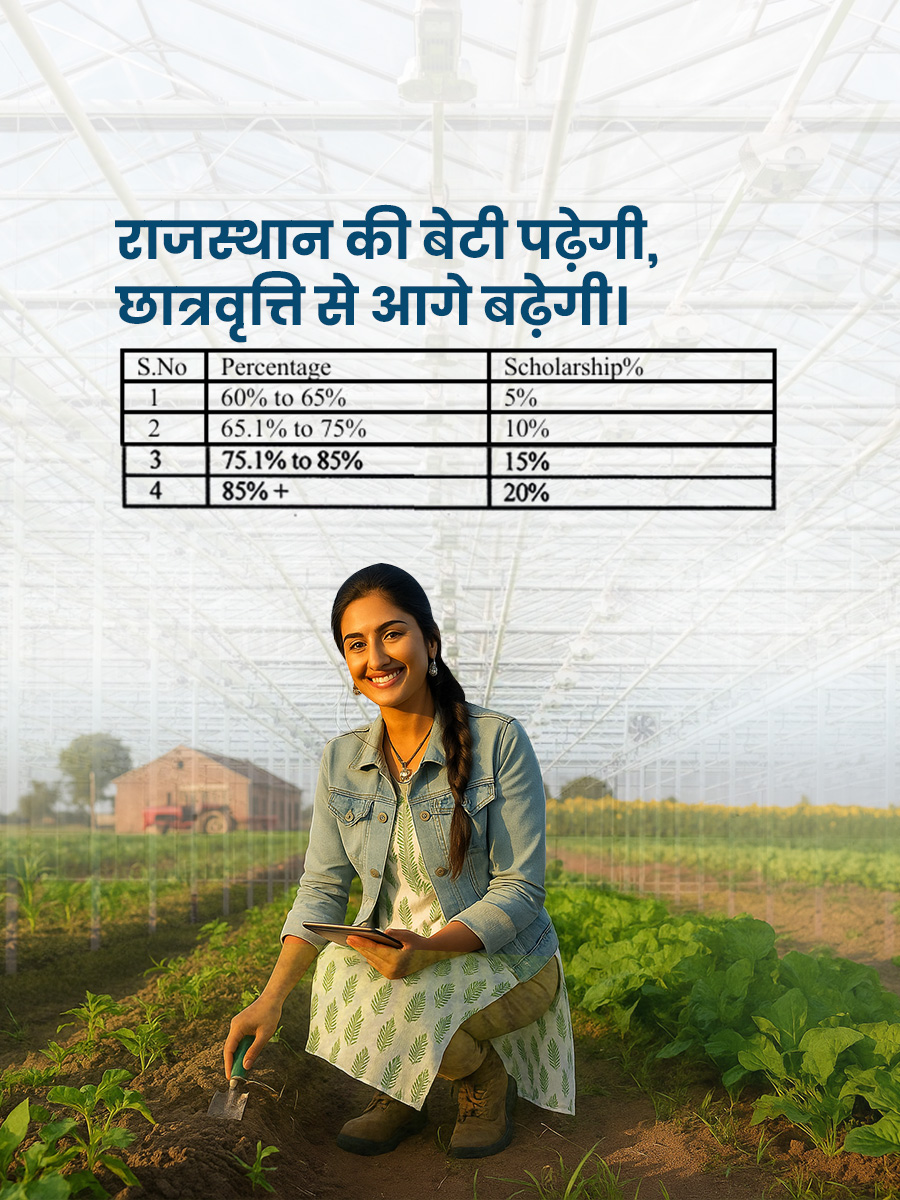





With the awakening of national consciousness in the early years of the last century, a few notable efforts were made in British India to improve the system of education prevalent in India during that time. Gujarat Vidyapeeth (Sabarmati ashram) started by Mahatma Gandhi, Shantiniketan to bring the cultures of the East and West into universal harmony, Jamia Milia and the Gurukul Kangdi for preserving the cultural heritage of the nation keeping with the requirements of the modern age.
Inspired by the same spirit, Rajasthan Vidyapeeth was founded on 21st August 1937 by a renowned litterateur, educationist, a noted Gandhian, Reformer, Social Activist and a Freedom Fighter in true sense late Manishi Pandit Janardan Rai Nagar to uplift the downtrodden common masses in the Southern Rajasthan, in particular, besides running various educational activities. Still the mission of the institution is to uplift the society, community development, vitalizing democratic values and restoration of culture through education.



Learn, innovate, and lead the change in sustainable farming and agri-technology.
Specializations: Agriculture
Fee: 84,000/- Per Year
Duration: 4 years
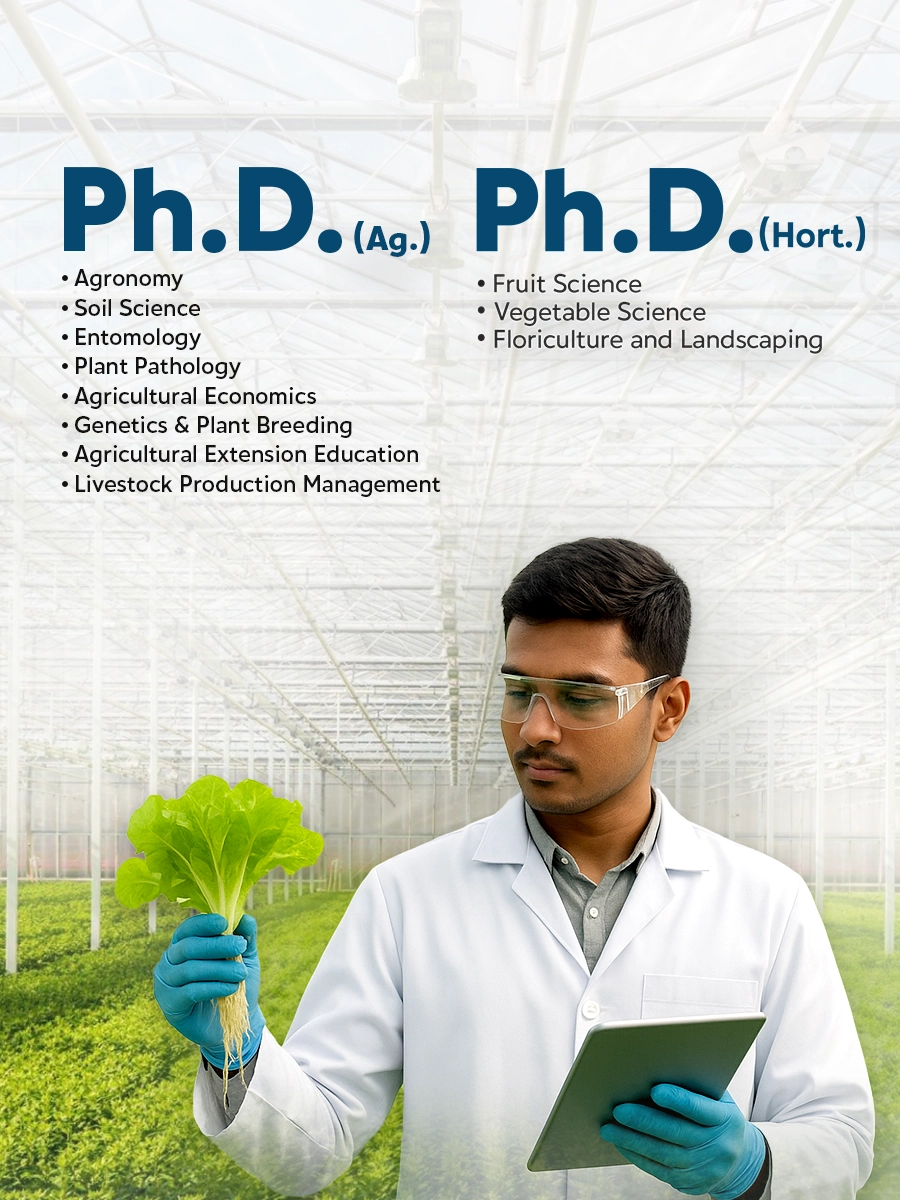
Specializations: Agronomy | Soil Science | Genetics & Plant Breeding | Plant Pathology | Entomology | Agricultural Extension Education | Agricultural Economics | Livestock Production Management
Fee: 55,000/- Per Year
Duration: 2 Years
Specializations: Fruit Science | Vegetable Science | Floriculture & Landscaping
Fee: 55,000/- Per Year
Duration: 2 Years
Specializations: Agronomy | Soil Science | Genetics & Plant Breeding | Plant Pathology | Entomology | Agricultural Extension Education | Agricultural Economics | Livestock Production Management
Fee: 90,000/- Per Year
Duration: 3 Years
Specializations: Fruit Science | Vegetable Science | Floriculture & Landscaping
Fee: 90,000/- Per Year
Duration: 3 Years
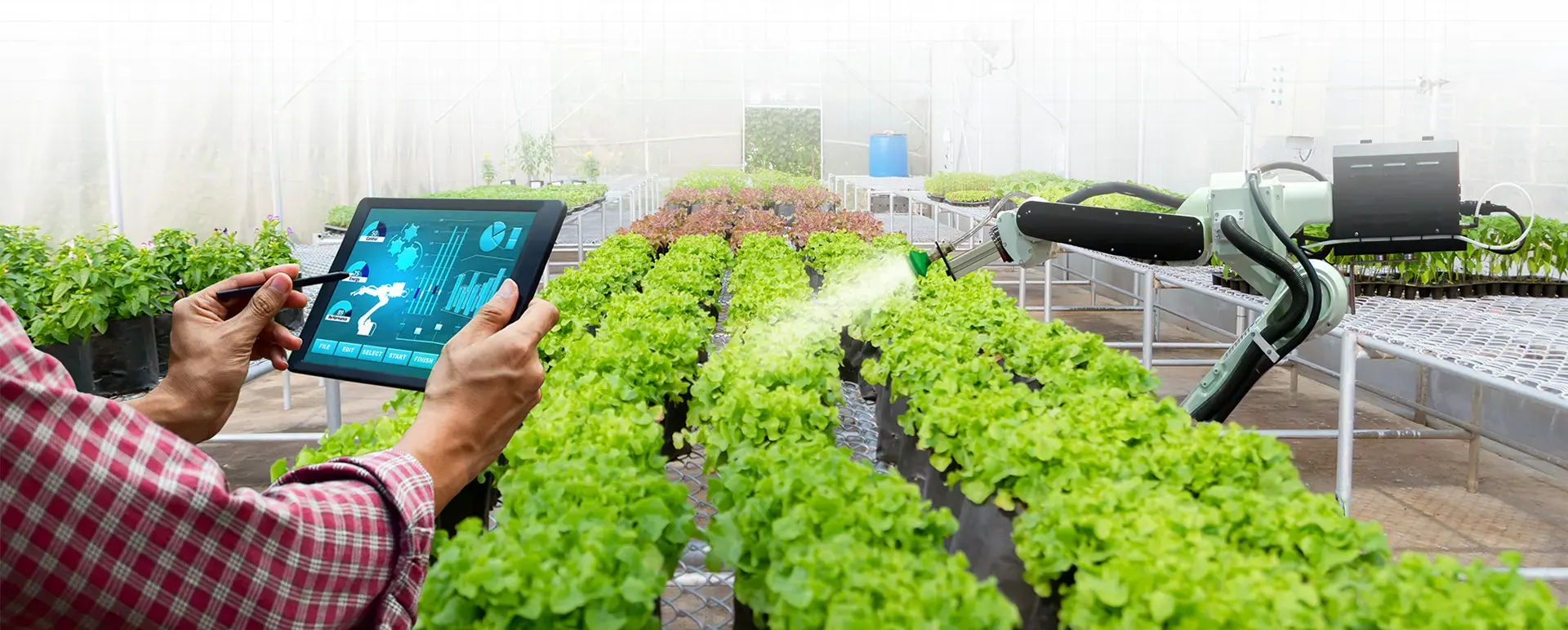

Build a strong foundation with modern agricultural education, advanced techniques, and sustainable practices.

Learn from expert faculty bringing knowledge, field experience, and innovative teaching approaches in agriculture.


Gain practical knowledge through labs, research, projects, and field training with industry-oriented exposure.

Unlock diverse career opportunities in agribusiness, research, policy, and sustainable global agricultural industries.
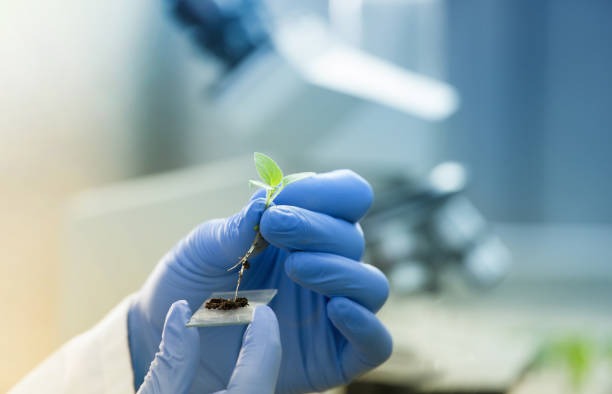
The Biochemistry Lab helps students understand plant metabolism, enzyme functions, and chemical processes underlying growth and development.

The Crop Physiology Lab focuses on studying photosynthesis, transpiration, nutrient uptake, and plant responses to environmental stresses for improving crop productivity.

The Computer Science Lab provides students with practical skills in programming, data analysis, and digital technologies essential for agricultural research and innovation.
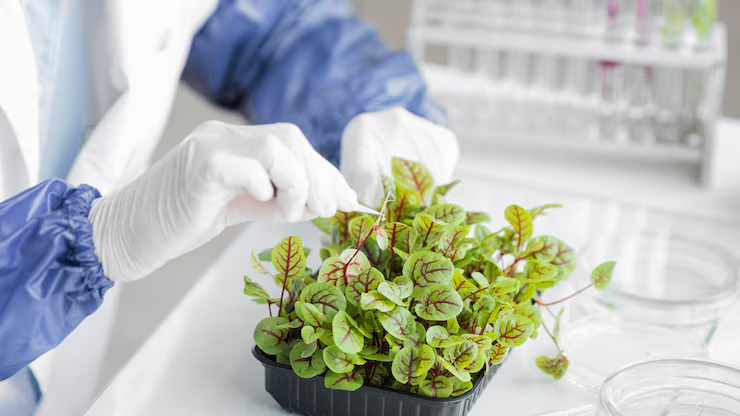
The Soil Science Lab focuses on soil fertility, nutrient management, and sustainable practices to enhance crop productivity and maintain soil health.

Speak to Counselor


Apply
Online

Submit Document

Admission Done

Acres Campus
Acres Agriculture Research Farm
Seed Funded for Budding Entrepreneurs
Publications in National & International Journals
Patents Filed by Madhav University Successfully
Industry-Sponsored Advanced Research Labs
The Agriculture Department Placement Cell connects students with leading agri-businesses, research institutions, and government organizations. Through training, internships, and expert guidance, we prepare graduates for rewarding careers in agriculture, agritech, sustainability, and allied sectors globally.














Testimonials

Studying agriculture here gave me hands-on exposure to modern farming, sustainable practices, and agribusiness. The placement cell guided me to secure my first job in a leading agri-tech company.

The Agriculture Department not only taught me scientific knowledge but also instilled confidence to work in real-world projects. Today, I contribute to research in soil health and sustainable farming practices.

With the guidance of faculty and industry exposure, I started my own agribusiness venture. The support system here encouraged me to innovate and create sustainable solutions for farmers.

The practical field visits and training programs gave me real exposure to rural development and farmer welfare. I am now working to uplift agricultural communities through government initiatives.


Airport Road, Pratapnagar Udaipur, Rajasthan 313001
info@jrnrvu.edu.in